EECP and Circulation: What Healthy Blood Flow Means for Your Body
Your circulatory system is the delivery network for your entire body. Blood carries oxygen and nutrients to every cell and carries waste away. When that flow is supported, everything else stands a better chance.

Key Points
- Blood flow delivers oxygen and nutrients to tissues
- Circulation supports recovery, energy and healing
- EECP is designed to support blood flow non-invasively
- Circulation tends to change as we age
- Start with a professional evaluation, not a self-diagnosis
Circulation 101
Every heartbeat pushes blood through arteries, capillaries and veins, delivering fuel and removing waste. Good circulation means tissues get what they need, when they need it.
How EECP Supports Blood Flow
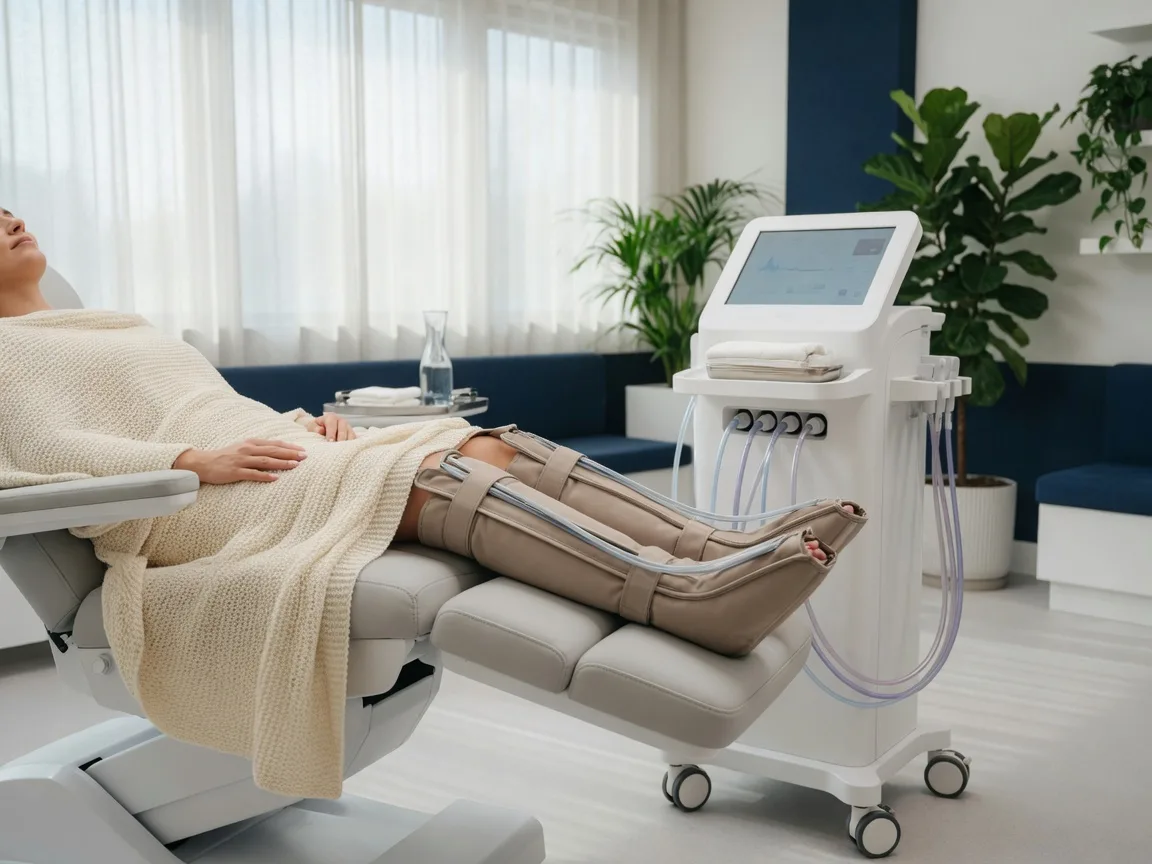
EECP inflates cuffs around the lower body during the heart's resting phase, pushing blood toward the heart, then releases just before contraction. This coordinated rhythm is designed to increase blood flow and reduce the heart's workload.
Research has examined these effects in detail. A 2010 study in the journal Circulation found EECP improved flow-mediated dilation, a measure of blood vessel function, in patients with chronic angina.
Signs Circulation May Need Support
Cold hands or feet, slower recovery after exercise, tired heavy legs and reduced exercise tolerance can all point to circulation changes. These signs have many possible causes, so they deserve a professional conversation rather than assumptions.
The Bigger Picture
Circulation is a foundation, not the whole story. EECP works best as part of a broader plan that includes your doctor's guidance, healthy movement and, when useful, complementary Thrive technologies like compression and oxygen.
Want to Explore This Further?
This article is part of the Thrive EECP Health Library in Draper, Utah. If the topic above sounds relevant to you, the next step is a free, no-pressure conversation about your goals.
About the Author
This article was authored and curated by Phil Kim for the Thrive EECP Health Library, with content guidance from the Thrive team. It is educational information, not medical advice, and does not create a patient relationship. Always consult a qualified healthcare professional about your health.